


Will County, IL Divorce Attorneys
Supportive Divorce Lawyers for Clients in Will County, Illinois
At the end of your marriage, a divorce can seem very intimidating. You and your spouse will have to settle a variety of issues, such as the division of marital property, questions about alimony, and child custody if applicable. With the help of a skilled Will County divorce lawyer, you can work through any problems as they arise.
As one of the longest-standing firms in Naperville, Fay & Farrow has a history of helping clients through even the most complicated divorces. When you work with us, you can take comfort knowing that your case will be handled by a team of experienced attorneys.
What Property Is Divided in a Will County Divorce?
In an Illinois divorce, marital property encompasses everything spouses acquire together from the date of marriage until the entry of divorce judgment. This can range from the family home to retirement accounts. Illinois follows the principle of equitable distribution, which means the court aims for a fair division rather than an equal split. To understand what might be on the table, consider common categories of marital assets:
- Real estate, including the marital residence and vacation properties
- Retirement plans such as 401(k)s, pensions, and IRAs
- Vehicles purchased during the marriage
- Bank accounts, investment portfolios, and cash reserves
- Business interests and professional practices
- Household furnishings and personal belongings
Each case brings its own nuances. A home purchased before marriage may remain separate property, yet improvements made with marital funds can convert part of its value into marital assets. Similarly, inheritances and gifts given solely to one spouse typically remain excluded, but if those funds are commingled with joint accounts, the lines can blur. A skilled attorney will trace the origins of each asset to protect what belongs to you.
Negotiating for Alimony in Your Divorce
Alimony—or maintenance—serves to bridge the financial gap that can arise when one spouse earns significantly more than the other. Negotiations often begin by assessing each party's income, earning capacity, health, age, and length of the marriage. Will County judges weigh these factors under Illinois statute, seeking to preserve both parties' standard of living to the extent possible.
Couples may agree on temporary maintenance during the divorce process, long-term support for marriages of many years, or rehabilitative maintenance for a spouse returning to school or workforce training. By presenting clear documentation of earning histories, household expenses, and any sacrifices made for the marriage, you position yourself to seek an outcome that respects your needs and rights.
What Is the Best Interests Standard in a Custody Case?
When children are involved, the court's paramount concern is their well-being. Illinois uses the "best interests of the child" standard to decide parenting time and decision-making responsibilities. This multifaceted test examines factors such as:
- The child's relationship with each parent and siblings
- Each parent's willingness to encourage a positive relationship with the other parent
- The child's adjustment to home, school, and community
- The mental and physical health of all involved
Courts may consider expert recommendations, guardian ad litem reports, and testimony from teachers or counselors. The goal is to craft a parenting plan that fosters stability, growth, and emotional security for the child, no matter which household they are in.
Meet With a Will County, Illinois Divorce Lawyer
Navigating property division, alimony negotiations, and custody disputes can feel overwhelming. By working with experienced legal counsel, you gain clarity on your rights, realistic expectations for outcomes, and a dedicated advocate in negotiation or litigation.
Our firm is here to look out for your interests from the beginning of your case to the end. Call 630-961-0060 or contact our Will County, IL divorce attorneys at Fay & Farrow to schedule a free consultation.
Contact Our Team
Set up a consultation with us to get legal help with your family law case. Call 630-961-0060 or fill out the form below:

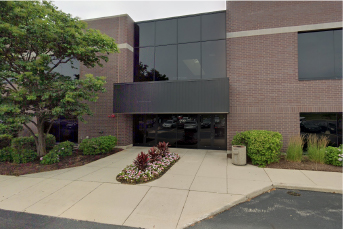
Naperville Office


From our office in Naperville, we provide legal help to clients in communities throughout DuPage County, Will County, Kane County, Kendall County, and Cook County, including Addison, Aurora, Bartlett, Bolingbrook, Carol Stream, Chicago, Des Plaines, Downers Grove, Elgin, Elmhurst, Evanston, Geneva, Glen Ellyn, Glendale Heights, Hinsdale, Joliet, Lisle, Lockport, Lombard, Oak Brook, Oswego, Palatine, Plainfield, Schaumburg, Skokie, St. Charles, Warrenville, West Chicago, Wheaton, and Woodridge.
Results listed are not a guarantee or indication of future case results.
©2026 Fay & Farrow 1730 Park Street, Suite 109, Naperville, IL 60563 630-961-0060