


St. Charles, IL Divorce Lawyers
Reliable Divorce Attorneys Serving Clients in St. Charles, Illinois
Divorce is never easy. In addition to the legal complexities that come with ending a marriage, these cases frequently involve emotional issues that can cause friction between the spouses. If you are not careful during your divorce, you risk a less-than-ideal outcome from rushed negotiations or drawn-out legal proceedings. A St. Charles, Illinois divorce attorney can guide you through the proceedings and help you pursue the best course of action.
At Fay & Farrow, we have the resources and skills to help you navigate the stresses of divorce. Our attorneys are uniquely qualified to handle a range of different family law issues related to your case, with Attorney Mark Farrow certified to act as a Child's Representative and an Arbitrator.
What Makes a Divorce Contested or Uncontested in St. Charles?
A divorce is uncontested when spouses reach agreement on all key issues before filing, including how to divide marital property, the arrangements for child custody, and whether spousal support will be paid. When agreements are documented in a settlement and signed by both parties, the process can move forward with minimal court intervention.
In contrast, a divorce becomes contested when spouses cannot agree on one or more of these issues. Disputes often arise over the valuation and division of assets such as retirement accounts, real estate, or business interests. Questions about decision-making responsibility for children or the amount and duration of maintenance may also lead to hearings. In contested matters, courts may consider evidence from financial experts, appraisers, and child-focused professionals to resolve disagreements in a manner that reflects the child's best interests and an equitable split of marital resources.
How to File for Divorce in St. Charles, IL
To begin a divorce in St. Charles, IL, one spouse must file a Petition for Dissolution of Marriage in the Circuit Court of Kane County. The petitioner will submit financial affidavits, a summons, and any proposed parenting plan if children are involved. The other spouse must then be formally served with these documents. Once service is complete, timelines for responding and exchanging financial information kick in.
To get a divorce in Illinois, at least one of the spouses must have resided in the state for at least 90 days. Both spouses must comply with discovery obligations, which may include the production of tax returns, bank records, and asset appraisals. If all issues are resolved through negotiation or mediation, the court will review the agreement and, if it finds the terms fair and in the best interests of any children, enter a judgment reflecting those terms.
Should I Consider Mediation for My Illinois Divorce?
Mediation offers a structured opportunity for spouses to negotiate directly, with the assistance of a neutral professional. In many cases, mediation reduces legal fees, shortens timelines, and preserves working relationships—an important consideration when children are involved. Mediators help couples identify shared priorities and craft customized solutions for property division, parenting time, and support.
Mediation is most effective when both spouses are committed to open communication and mutual respect. It is not appropriate in situations involving a history of coercion or abuse, where power imbalances could undermine fairness. Even in contested cases, the court may order mediation sessions before scheduling a trial. Our firm can help you decide whether mediation fits your family's needs and ensure that any mediated agreement is enforceable.
Contact a St. Charles, IL Divorce Lawyer
At Fay & Farrow, our attorneys deliver personalized guidance tailored to your situation. We draw on deep experience and legal knowledge to uncover all relevant facts and advocate on your behalf. We stand with you through each stage of the process, ensuring clear communication and compassionate support. Call 630-961-0060 or contact our St. Charles divorce attorneys to set up a free consultation.
Contact Our Team
Set up a consultation with us to get legal help with your family law case. Call 630-961-0060 or fill out the form below:

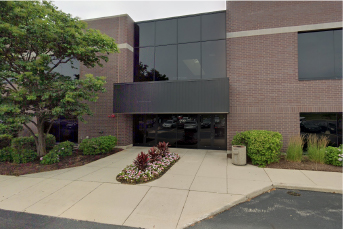
Naperville Office


From our office in Naperville, we provide legal help to clients in communities throughout DuPage County, Will County, Kane County, Kendall County, and Cook County, including Addison, Aurora, Bartlett, Bolingbrook, Carol Stream, Chicago, Des Plaines, Downers Grove, Elgin, Elmhurst, Evanston, Geneva, Glen Ellyn, Glendale Heights, Hinsdale, Joliet, Lisle, Lockport, Lombard, Oak Brook, Oswego, Palatine, Plainfield, Schaumburg, Skokie, St. Charles, Warrenville, West Chicago, Wheaton, and Woodridge.
Results listed are not a guarantee or indication of future case results.
©2026 Fay & Farrow 1730 Park Street, Suite 109, Naperville, IL 60563 630-961-0060