


Naperville, IL Spousal Support Lawyers
Knowledgeable Alimony Lawyers for Clients in Naperville, Illinois
A divorce can come with numerous financial concerns. After a long period of marriage, it may be difficult to go back to a single income. The primary purpose of spousal support (better known as alimony) is to help the lower-earning spouse avoid financial hardship. If you are seeking spousal support or you have been asked to pay support, consider working with a Naperville, IL divorce lawyer.
At Fay & Farrow, we can provide you with fierce representation in a dispute over alimony. Since we first opened our doors in 1979, we have handled numerous contested divorces, so you can rely on us to provide you with strong counsel.
When Can You Get Spousal Support in Illinois?
Spousal support is not automatic in every divorce. In Illinois, you and your spouse can agree to include alimony as part of a negotiated settlement. When negotiations succeed, a written agreement spells out the amount, duration, and any conditions for ending or modifying support. That agreement becomes binding once the court incorporates it into the final judgment.
If you cannot reach terms at the bargaining table, you can petition the court for spousal support. You will need to file a petition outlining your financial needs, your spouse's ability to pay, and factors the court considers. These factors include the length of your marriage, each spouse's income and earning capacity, contributions made during the marriage, and the standard of living established during your marriage. A judge will review all of the evidence and, if appropriate, issue an order setting support obligations.
Modifying Alimony Payments
Life changes after divorce are not uncommon. If you or your ex experiences a significant change in circumstances—such as a job loss, a serious medical condition, or a substantial increase in income—you may ask the court to modify an existing alimony order. To succeed, you must show that the change was unforeseen at the time the original order was entered and that it makes continued compliance unreasonable or unjust.
The process begins by filing a petition to modify support. You will again present financial documents and explain the new situation. Your spouse can file a response agreeing to or contesting the change. If you cannot agree, the court will hold a hearing to decide whether to adjust the payment amount, duration, or both. A successful modification ensures support orders remain fair and workable for both parties.
What if My Spouse Refuses to Pay Spousal Support?
When a divorce decree includes spousal support, failing to pay is a direct violation of a judge's order. If your ex stops making payments, you can file a contempt motion. The judge may then order your spouse to appear in court and explain why payments have ceased. If the court finds no valid excuse, it can reinstate payments and impose sanctions, including fines or even jail time in extreme cases.
In addition to contempt proceedings, you have other enforcement tools. The court can authorize wage garnishment so that payments are deducted directly from your ex's paycheck. You can also place a lien on property or seek federal tax refund intercepts. Our Naperville family law attorneys can guide you through enforcement options to make sure you receive the support you need.
Contact a Naperville Spousal Support Lawyer Today
At Fay & Farrow, our team understands how critical reliable spousal support can be to your financial stability. Likewise, we understand that paying for spousal support can be a major responsibility. We will listen carefully to your situation to determine the best course of action, working toward a resolution that respects your unique needs. Call 630-961-0060 or contact our Naperville, IL spousal support attorneys today to set up a free consultation.
Contact Our Team
Set up a consultation with us to get legal help with your family law case. Call 630-961-0060 or fill out the form below:

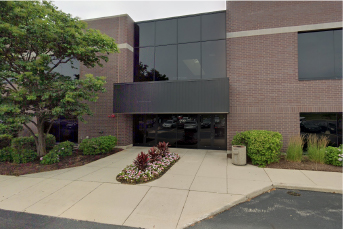
Naperville Office


From our office in Naperville, we provide legal help to clients in communities throughout DuPage County, Will County, Kane County, Kendall County, and Cook County, including Addison, Aurora, Bartlett, Bolingbrook, Carol Stream, Chicago, Des Plaines, Downers Grove, Elgin, Elmhurst, Evanston, Geneva, Glen Ellyn, Glendale Heights, Hinsdale, Joliet, Lisle, Lockport, Lombard, Oak Brook, Oswego, Palatine, Plainfield, Schaumburg, Skokie, St. Charles, Warrenville, West Chicago, Wheaton, and Woodridge.
Results listed are not a guarantee or indication of future case results.
©2026 Fay & Farrow 1730 Park Street, Suite 109, Naperville, IL 60563 630-961-0060