


Naperville, IL Child Custody Lawyers
Trusted Child Custody Attorneys Advocating for Parents in Naperville, Illinois
A divorce can come as a major shift in your family's structure. When you and your ex end your marriage, you will have to decide how to allocate certain rights and responsibilities regarding your child. When negotiating for custody, knowing the law is crucial. A Naperville, IL child custody attorney can help you draft a parenting plan and work toward a suitable arrangement that serves your child's needs.
At Fay & Farrow, we know just how meaningful child custody can be for parents. We are here to stand up for your rights, providing you with devoted counsel and representation to make sure that your voice is heard.
Dividing Parenting Time in Illinois
When parents decide to separate or divorce in Illinois, one of the most important questions is how to divide parenting time, formerly known as physical custody. The goal is to create a schedule that meets a child's needs while respecting each parent's role. Judges look first at the best interests of the child. They consider factors such as the child's age, school schedule, and emotional ties to each parent.
Parents can agree on a schedule and submit it to the court for approval. Many choose a week-on, week-off plan or alternate weekends. Others prefer a more detailed schedule that splits weekdays and weekends. If parents cannot agree, the court may appoint a mediator. A mediator is a neutral professional who helps parents work out a plan. Mediation can save time and reduce stress, since it avoids a full hearing before a judge.
Assigning Decision-Making Responsibility in Naperville Divorces
Another key issue for parents is assigning decision-making responsibility, formerly known as legal custody. This aspect of custody covers major choices about a child's medical care, education, and religious upbringing. In Naperville divorces, parents can share decision-making or grant one parent sole authority. Judges favor joint decision-making when parents can communicate and cooperate.
Joint decision-making requires parents to discuss and agree on important choices. If communication breaks down, it can lead to conflict and delay important decisions. In those situations, a judge may award one parent sole decision-making responsibility. Sole decision-making gives one parent the final say on major issues. To request sole authority, a parent must show that joint decision-making would harm the child's well-being. Courts consider factors such as domestic violence, substance abuse, or a parent's inability to care for the child.
Sole and Joint Custody Arrangements
Custody arrangements combine the two elements of parenting time and decision-making responsibility. Joint custody can mean joint parenting time with joint decision-making, or it can mean one parent has most of the time but decisions are shared. Sole custody usually pairs primary parenting time with sole decision-making.
Each family's situation is unique. Joint custody may work well when parents live close to one another and maintain a respectful relationship, whereas sole custody may be best if one parent is unavailable or poses a risk to the child. Whatever arrangement is in place, parents can revisit custody orders in court if circumstances change. Parents can petition the court to modify parenting time or decision-making when there is a significant change, such as a move, a new job, or changes in the child's needs.
Contact a Naperville, IL Child Custody Attorney
At Fay & Farrow, we understand how important it is to secure a fair custody arrangement that protects your child and your parental role. We will listen to your concerns, discuss your options regarding child custody, and work to create a parenting plan that supports your child's best interests. Call 630-961-0060 or contact our Naperville, IL child custody attorneys to set up your free initial consultation today.
Contact Our Team
Set up a consultation with us to get legal help with your family law case. Call 630-961-0060 or fill out the form below:

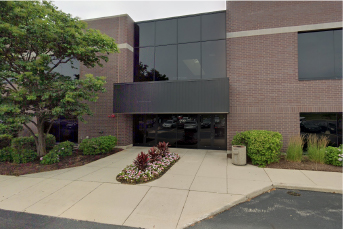
Naperville Office


From our office in Naperville, we provide legal help to clients in communities throughout DuPage County, Will County, Kane County, Kendall County, and Cook County, including Addison, Aurora, Bartlett, Bolingbrook, Carol Stream, Chicago, Des Plaines, Downers Grove, Elgin, Elmhurst, Evanston, Geneva, Glen Ellyn, Glendale Heights, Hinsdale, Joliet, Lisle, Lockport, Lombard, Oak Brook, Oswego, Palatine, Plainfield, Schaumburg, Skokie, St. Charles, Warrenville, West Chicago, Wheaton, and Woodridge.
Results listed are not a guarantee or indication of future case results.
©2026 Fay & Farrow 1730 Park Street, Suite 109, Naperville, IL 60563 630-961-0060