


Frequently Asked Questions About Naperville, IL Family Law
FAQs for Divorce and Family Law Cases in Naperville, Illinois
If you are not familiar with Illinois law, questions about divorce, child custody, and other issues of family law can be difficult to navigate. At Fay & Farrow, we have the skills, resources, and requisite knowledge to help you address a variety of concerns.
Equitable distribution is the legal principle Illinois courts use to divide marital property when spouses cannot come to an agreement. It does not necessarily mean equal division. Instead, the court examines factors such as the duration of the marriage, each spouse's contributions to acquiring and preserving assets, the economic circumstances of each party, and any dissipation of marital assets. Separate property, which includes assets owned prior to marriage or acquired by gift or inheritance, generally remains with the original owner.
Alimony, also known as maintenance in Illinois, is not guaranteed in every divorce. The court considers factors including each spouse's income and earning capacity, the duration of the marriage, the age and health of each party, and whether one spouse sacrificed career advancement for family responsibilities. Either spouse may request maintenance, but the court must find a need for support and the ability of the other spouse to pay before awarding alimony.
Yes. Illinois law presumes that both mothers and fathers have equal rights and responsibilities regarding allocation of parental responsibilities, formerly called custody. The court's primary concern is the best interests of the child, not the gender of the parent. Judges evaluate factors such as the child's relationship with each parent, each parent's willingness to facilitate the other parent's relationship, the home environment, and any history of abuse or neglect.
Business valuation is a complex process that often requires expert testimony. Illinois courts may employ methods such as the income approach (projecting future earnings and discounting to present value), the market approach (comparing sales of similar businesses), and the asset approach (assessing the value of tangible and intangible assets). Courts also consider goodwill, liabilities, and any business debts. A certified valuation expert can prepare a report that the court will use to determine the business's fair value.
Mediation is a confidential process in which a neutral third party facilitates negotiations between divorcing spouses. The mediator does not impose decisions but helps the parties reach a mutually acceptable agreement on issues such as property division, parenting time, child support, and maintenance. Mediation can save time and money, reduce conflict, and allow the parties to craft creative solutions tailored to their family's needs. Agreements reached in mediation become court orders once approved by a judge.
The duration of a divorce in Illinois varies based on complexity and the parties' willingness to cooperate. An uncontested divorce, where the spouses agree on all issues, often takes three to six months from filing to final judgment. Contested divorces—those involving disputes over property division, maintenance, or parental responsibilities—can take a year or longer, depending on court schedules, the need for expert testimony, and the number of hearings required.
Meet With a Naperville, Illinois Family Law Attorney
At Fay & Farrow, we provide clear explanations of equitable distribution, maintenance, parental responsibilities, and other issues that might arise in a family law case. Whether your case is contested or not, we advocate for your interests and strive to achieve an outcome that protects your family's future. Call 630-961-0060 or contact our Naperville, Illinois family law attorneys today to arrange a free initial consultation.
Contact Our Team
Set up a consultation with us to get legal help with your family law case. Call 630-961-0060 or fill out the form below:

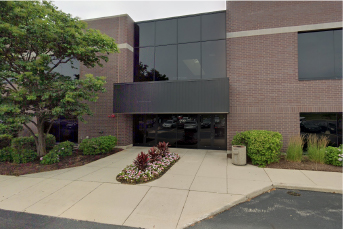
Naperville Office


From our office in Naperville, we provide legal help to clients in communities throughout DuPage County, Will County, Kane County, Kendall County, and Cook County, including Addison, Aurora, Bartlett, Bolingbrook, Carol Stream, Chicago, Des Plaines, Downers Grove, Elgin, Elmhurst, Evanston, Geneva, Glen Ellyn, Glendale Heights, Hinsdale, Joliet, Lisle, Lockport, Lombard, Oak Brook, Oswego, Palatine, Plainfield, Schaumburg, Skokie, St. Charles, Warrenville, West Chicago, Wheaton, and Woodridge.
Results listed are not a guarantee or indication of future case results.
©2026 Fay & Farrow 1730 Park Street, Suite 109, Naperville, IL 60563 630-961-0060